


Von Jamal Hassan, Backend Developer bei Fleet Data & System Consulting
Mit Einblicken von Elyndra Valen (Senior Dev) und Nova Trent (Junior Dev)
Schwierigkeit: 🔴 Fortgeschritten
Lesezeit: 45 Minuten
Voraussetzungen: Tag 8 (Multithreading Basics)
Kurs: Java Erweiterte Techniken – Tag 9 von 10
📖 Java Erweiterte Techniken – Alle Tage
📍 Du bist hier: Tag 9
⚡ Das Wichtigste in 30 Sekunden
Dein Problem: Mehrere Threads greifen auf dieselben Daten zu. Chaos entsteht: Race Conditions, inkonsistente Daten, schwer zu findende Bugs.
Die Lösung: Synchronisation – kontrollierter Zugriff auf gemeinsame Ressourcen.
Heute lernst du:
- ✅ Race Conditions verstehen und vermeiden
- ✅
synchronizedBlöcke und Methoden - ✅
volatilefür Sichtbarkeit - ✅
java.util.concurrentLocks - ✅ Atomic-Klassen für lockfreie Operationen
- ✅ Thread-sichere Collections
- ✅ Deadlocks erkennen und vermeiden
👋 Jamal: „Der unsichtbare Bug“
Hi! 👋
Jamal hier für den anspruchsvollsten Tag unseres Kurses. Synchronisation ist das, was Multithreading richtig schwer macht.
Das Problem:
public class Konto {
    private int kontostand = 1000;

    public void abheben(int betrag) {
        if (kontostand >= betrag) {
            // Thread A ist hier... wechselt zu Thread B
            kontostand -= betrag;
        }
    }
}

// Zwei Threads heben gleichzeitig 800€ ab
// Kontostand: 1000€
// Thread A prüft: 1000 >= 800? Ja!
// Thread B prüft: 1000 >= 800? Ja!  (noch nicht abgezogen!)
// Thread A: kontostand = 1000 - 800 = 200
// Thread B: kontostand = 200 - 800 = -600  // ÜBERZOGEN!
Das ist eine Race Condition – das Ergebnis hängt davon ab, welcher Thread zuerst fertig ist.
🖼️ Race Condition visualisiert
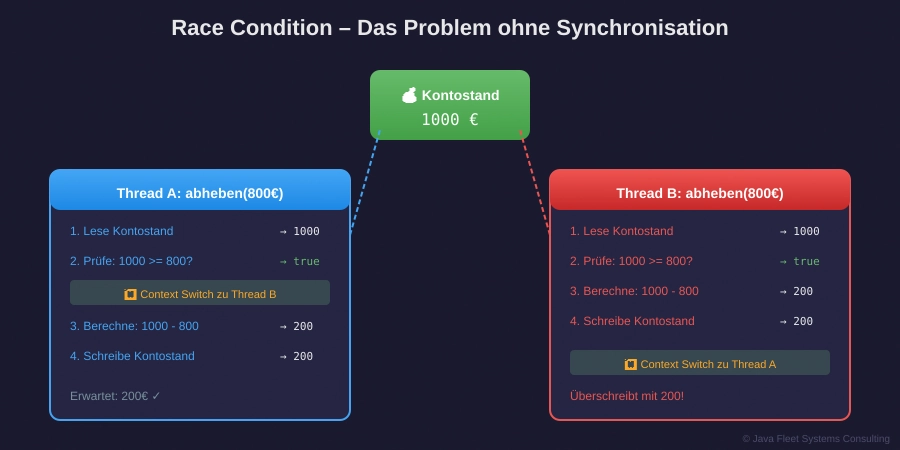
Abbildung 1: Zwei Threads kämpfen um dieselbe Ressource
🟢 GRUNDLAGEN
Das synchronized Keyword
Methode synchronisieren:
public class Konto {
    private int kontostand = 1000;

    public synchronized void abheben(int betrag) {
        if (kontostand >= betrag) {
            kontostand -= betrag;
        }
    }

    public synchronized void einzahlen(int betrag) {
        kontostand += betrag;
    }

    public synchronized int getKontostand() {
        return kontostand;
    }
}
Was passiert?
- Nur ein Thread kann gleichzeitig eine synchronized-Methode des Objekts ausführen
- Andere Threads warten (blockieren)
- Lock wird automatisch freigegeben am Ende der Methode
Synchronized Block
Feingranularer als synchronized-Methoden:
public class Konto {
    private int kontostand = 1000;
    private final Object lock = new Object();

    public void abheben(int betrag) {
        // Code VOR dem kritischen Bereich (kann parallel laufen)
        System.out.println("Bereite Abhebung vor...");

        synchronized (lock) {
            // NUR DIESER BEREICH ist geschützt
            if (kontostand >= betrag) {
                kontostand -= betrag;
            }
        }

        // Code NACH dem kritischen Bereich
        System.out.println("Abhebung verarbeitet");
    }
}
Warum ein separates Lock-Objekt?
synchronized(this)lockt das ganze Objekt- Separates Lock = feinere Kontrolle
- Mehrere unabhängige Locks möglich
Worauf locken?
// Auf this locken (wie synchronized-Methode)
synchronized (this) {
    // ...
}

// Auf separates Objekt locken (empfohlen)
private final Object lock = new Object();
synchronized (lock) {
    // ...
}

// Auf Klasse locken (für statische Methoden)
synchronized (Konto.class) {
    // ...
}

// Auf die Collection selbst locken
synchronized (liste) {
    liste.add(element);
}
volatile – Sichtbarkeit garantieren
public class StoppbareAufgabe implements Runnable {
    private volatile boolean running = true;

    public void stop() {
        running = false;  // Änderung sofort für alle Threads sichtbar
    }

    @Override
    public void run() {
        while (running) {
            // Arbeite...
        }
        System.out.println("Gestoppt!");
    }
}
Ohne volatile:
- Jeder Thread hat eigenen Cache
- Änderungen möglicherweise nicht sichtbar
- Thread läuft endlos weiter!
Mit volatile:
- Schreiboperationen sofort im Hauptspeicher
- Leseoperationen immer aus Hauptspeicher
- Aber: Keine Atomarität!
count++ist trotzdem nicht thread-safe
🟡 PROFESSIONALS
java.util.concurrent.locks
Mehr Kontrolle als synchronized:
import java.util.concurrent.locks.*;

public class Konto {
    private int kontostand = 1000;
    private final ReentrantLock lock = new ReentrantLock();

    public void abheben(int betrag) {
        lock.lock();  // Lock erwerben
        try {
            if (kontostand >= betrag) {
                kontostand -= betrag;
            }
        } finally {
            lock.unlock();  // IMMER in finally!
        }
    }

    // Mit Timeout - blockiert nicht ewig
    public boolean abhebenMitTimeout(int betrag) throws InterruptedException {
        if (lock.tryLock(1, TimeUnit.SECONDS)) {
            try {
                if (kontostand >= betrag) {
                    kontostand -= betrag;
                    return true;
                }
            } finally {
                lock.unlock();
            }
        }
        return false;  // Lock nicht bekommen
    }
}
Vorteile gegenüber synchronized:
tryLock()– Versuch ohne BlockierentryLock(timeout)– Versuch mit TimeoutlockInterruptibly()– Unterbrechbar- Fairness-Option:
new ReentrantLock(true)
ReadWriteLock – Lesen parallel, Schreiben exklusiv
import java.util.concurrent.locks.*;

public class Cache {
    private final Map<String, String> data = new HashMap<>();
    private final ReadWriteLock rwLock = new ReentrantReadWriteLock();
    private final Lock readLock = rwLock.readLock();
    private final Lock writeLock = rwLock.writeLock();

    public String get(String key) {
        readLock.lock();  // Mehrere Leser parallel OK
        try {
            return data.get(key);
        } finally {
            readLock.unlock();
        }
    }

    public void put(String key, String value) {
        writeLock.lock();  // Exklusiv - keine anderen Leser/Schreiber
        try {
            data.put(key, value);
        } finally {
            writeLock.unlock();
        }
    }
}
Wann nutzen?
- Viele Lesezugriffe, wenige Schreibzugriffe
- Lesen ist teuer (z.B. Berechnung)
Atomic-Klassen – Lockfrei und schnell
import java.util.concurrent.atomic.*;

public class Zaehler {
    private AtomicInteger count = new AtomicInteger(0);

    public void increment() {
        count.incrementAndGet();  // Thread-safe ohne Lock!
    }

    public int get() {
        return count.get();
    }
}

// Weitere Atomic-Klassen:
AtomicLong atomicLong = new AtomicLong(0);
AtomicBoolean atomicBool = new AtomicBoolean(false);
AtomicReference<String> atomicRef = new AtomicReference<>("initial");

// Nützliche Methoden:
int oldValue = count.getAndIncrement();  // Erst lesen, dann erhöhen
int newValue = count.incrementAndGet();  // Erst erhöhen, dann lesen
count.compareAndSet(expected, newValue); // CAS-Operation
count.updateAndGet(x -> x * 2);          // Mit Lambda
Wann Atomic statt Lock?
- Einfache Operationen (Zähler, Flags)
- Hohe Parallelität
- Performance kritisch
Thread-sichere Collections
import java.util.concurrent.*;

// ===== STATT ArrayList =====
List<String> safeList = new CopyOnWriteArrayList<>();
// Gut für: Viele Leser, wenige Schreiber
// Nachteil: Kopiert bei jedem Schreiben

// ===== STATT HashSet =====
Set<String> safeSet = ConcurrentHashMap.newKeySet();
// Oder:
Set<String> safeSet2 = new CopyOnWriteArraySet<>();

// ===== STATT HashMap =====
Map<String, Integer> safeMap = new ConcurrentHashMap<>();
// Hochperformant, feinkörnige Locks

// ===== Queues =====
BlockingQueue<String> queue = new LinkedBlockingQueue<>();
queue.put("Element");        // Blockiert wenn voll
String item = queue.take();  // Blockiert wenn leer

// Mit Timeout:
queue.offer("Element", 1, TimeUnit.SECONDS);
String item2 = queue.poll(1, TimeUnit.SECONDS);
Faustregeln:
| Situation | Empfehlung |
|---|---|
| Map mit vielen Zugriffen | ConcurrentHashMap |
| Liste, meist lesen | CopyOnWriteArrayList |
| Liste, viel schreiben | Collections.synchronizedList() |
| Producer-Consumer | BlockingQueue |
wait() und notify() – Thread-Kommunikation
public class ProducerConsumer {
    private final Queue<Integer> queue = new LinkedList<>();
    private final int MAX_SIZE = 10;

    public synchronized void produce(int item) throws InterruptedException {
        while (queue.size() == MAX_SIZE) {
            wait();  // Warte bis Platz frei
        }
        queue.add(item);
        System.out.println("Produziert: " + item);
        notifyAll();  // Wecke wartende Consumer
    }

    public synchronized int consume() throws InterruptedException {
        while (queue.isEmpty()) {
            wait();  // Warte bis Daten da
        }
        int item = queue.poll();
        System.out.println("Konsumiert: " + item);
        notifyAll();  // Wecke wartende Producer
        return item;
    }
}
Wichtig:
wait()undnotify()nur in synchronized!- Immer in
while-Schleife prüfen (spurious wakeups) notifyAll()weckt alle,notify()nur einen
🔵 BONUS
Deadlocks erkennen und vermeiden
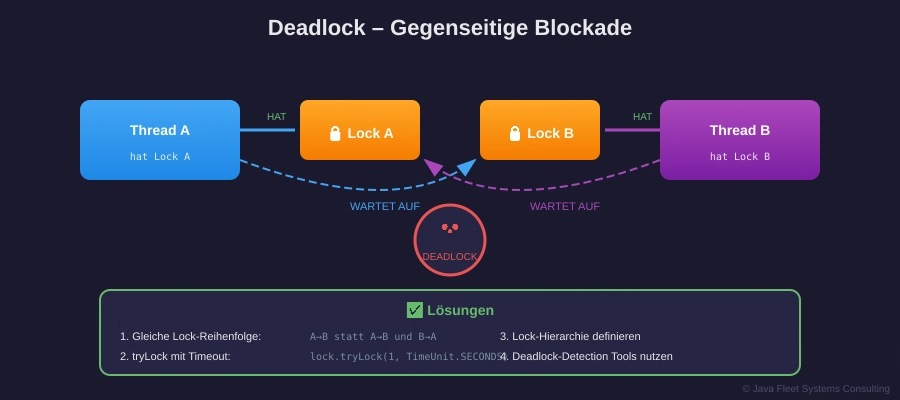
Abbildung 2: Zwei Threads blockieren sich gegenseitig
// DEADLOCK-GEFAHR!
public class DeadlockBeispiel {
    private final Object lockA = new Object();
    private final Object lockB = new Object();

    public void methode1() {
        synchronized (lockA) {
            System.out.println("Thread 1: hat Lock A");
            synchronized (lockB) {  // Wartet auf Lock B
                System.out.println("Thread 1: hat Lock B");
            }
        }
    }

    public void methode2() {
        synchronized (lockB) {  // Hat Lock B
            System.out.println("Thread 2: hat Lock B");
            synchronized (lockA) {  // Wartet auf Lock A -> DEADLOCK!
                System.out.println("Thread 2: hat Lock A");
            }
        }
    }
}
Deadlock-Vermeidung:
// LÖSUNG 1: Gleiche Lock-Reihenfolge
public void methode1() {
    synchronized (lockA) {
        synchronized (lockB) { /* ... */ }
    }
}

public void methode2() {
    synchronized (lockA) {  // Gleiche Reihenfolge: A dann B
        synchronized (lockB) { /* ... */ }
    }
}

// LÖSUNG 2: tryLock mit Timeout
public void sichereMethode() {
    while (true) {
        if (lockA.tryLock()) {
            try {
                if (lockB.tryLock()) {
                    try {
                        // Beide Locks erhalten
                        return;
                    } finally {
                        lockB.unlock();
                    }
                }
            } finally {
                lockA.unlock();
            }
        }
        Thread.sleep(10);  // Kurz warten, neu versuchen
    }
}
Semaphore – Begrenzte Ressourcen
import java.util.concurrent.Semaphore;

public class ConnectionPool {
    private final Semaphore semaphore;

    public ConnectionPool(int maxConnections) {
        this.semaphore = new Semaphore(maxConnections);
    }

    public void useConnection() throws InterruptedException {
        semaphore.acquire();  // Blockiert wenn keine Permits verfügbar
        try {
            System.out.println("Verbindung genutzt von " + Thread.currentThread().getName());
            Thread.sleep(1000);
        } finally {
            semaphore.release();  // Permit zurückgeben
        }
    }
}

// Verwendung: Max 3 gleichzeitige Verbindungen
ConnectionPool pool = new ConnectionPool(3);
for (int i = 0; i < 10; i++) {
    new Thread(() -> pool.useConnection()).start();
}
CountDownLatch – Auf mehrere Threads warten
import java.util.concurrent.CountDownLatch;

public class StartSignal {
    public static void main(String[] args) throws InterruptedException {
        int anzahlWorker = 5;
        CountDownLatch latch = new CountDownLatch(anzahlWorker);

        for (int i = 0; i < anzahlWorker; i++) {
            final int id = i;
            new Thread(() -> {
                System.out.println("Worker " + id + " arbeitet...");
                try { Thread.sleep(1000); } catch (InterruptedException e) {}
                System.out.println("Worker " + id + " fertig!");
                latch.countDown();  // Zähler -1
            }).start();
        }

        System.out.println("Warte auf alle Worker...");
        latch.await();  // Blockiert bis Zähler = 0
        System.out.println("Alle Worker fertig!");
    }
}
💬 Real Talk: Synchronisations-Fallen
Fleet Data Büro, Montag 09:00. Debugging-Session.
Nova: „Jamal, mein Zähler zeigt immer falsche Werte an!“
private int counter = 0;

public void increment() {
    counter++;  // NICHT thread-safe!
}
Jamal: „counter++ ist drei Operationen: Lesen, Erhöhen, Schreiben. Dazwischen kann ein anderer Thread dazwischenfunken.“
// Lösung 1: synchronized
public synchronized void increment() {
    counter++;
}

// Lösung 2: AtomicInteger (besser!)
private AtomicInteger counter = new AtomicInteger(0);
public void increment() {
    counter.incrementAndGet();
}
Nova: „Und mein Programm hängt manchmal einfach…“
Elyndra: schaut auf den Code „Deadlock. Du lockst in unterschiedlicher Reihenfolge.“
// Thread 1: lockA -> lockB
// Thread 2: lockB -> lockA
// -> DEADLOCK!
Elyndra: „Regel: Immer in derselben Reihenfolge locken. Oder tryLock() mit Timeout verwenden.“
Jamal: „Und denkt dran: volatile macht Variablen sichtbar, aber nicht atomar!“
private volatile int count = 0;
count++;  // IMMER NOCH NICHT THREAD-SAFE!
❓ FAQ
Frage 1: synchronized Methode vs. Block?
synchronized Methode:
- Einfacher zu lesen
- Lockt auf
this(oder Klasse bei static) - Ganze Methode ist kritischer Bereich
synchronized Block:
- Feingranularer
- Kann auf beliebiges Objekt locken
- Nur Teil der Methode ist kritisch
Frage 2: Wann Lock, wann synchronized?
| synchronized | ReentrantLock |
|---|---|
| Einfacher | Mehr Features |
| Automatisch unlock | Manuell unlock (try-finally!) |
| Kein Timeout | tryLock mit Timeout |
| Nicht unterbrechbar | lockInterruptibly() |
Faustregel: synchronized für einfache Fälle, Lock für komplexe Anforderungen.
Frage 3: Ist ConcurrentHashMap immer thread-safe?
Einzelne Operationen: Ja!
map.put("key", "value");  // Thread-safe
map.get("key");           // Thread-safe
Zusammengesetzte Operationen: Nein!
// NICHT thread-safe:
if (!map.containsKey("key")) {
    map.put("key", "value");
}

// Thread-safe Alternative:
map.putIfAbsent("key", "value");
map.computeIfAbsent("key", k -> "value");
Frage 4: Was ist ein „spurious wakeup“?
Ein Thread kann aus wait() aufwachen, ohne dass notify() aufgerufen wurde. Deshalb immer in while-Schleife prüfen:
// FALSCH:
if (queue.isEmpty()) {
    wait();
}

// RICHTIG:
while (queue.isEmpty()) {
    wait();
}
Frage 5: Bernd sagt, er braucht keine Synchronisation?
seufz Bernds Code läuft auf einem Kern. In Produktion mit 32 Kernen… Boom! 💥
🔍 „behind the code“ oder „in my feels“? Die echten Geschichten findest du, wenn du weißt wo du suchen musst…
🎁 Cheat Sheet
🟢 synchronized
// Methode
public synchronized void methode() { }

// Block
synchronized (lock) { }

// Auf this
synchronized (this) { }

// Auf Klasse
synchronized (MeineKlasse.class) { }
🟡 Locks
ReentrantLock lock = new ReentrantLock();
lock.lock();
try { /* ... */ } finally { lock.unlock(); }

// Mit Timeout
if (lock.tryLock(1, TimeUnit.SECONDS)) { }

// ReadWriteLock
ReadWriteLock rwLock = new ReentrantReadWriteLock();
rwLock.readLock().lock();   // Mehrere Leser OK
rwLock.writeLock().lock();  // Exklusiv
🔵 Atomic
AtomicInteger count = new AtomicInteger(0);
count.incrementAndGet();
count.getAndIncrement();
count.compareAndSet(expected, newValue);
count.updateAndGet(x -> x * 2);
🟣 Collections
ConcurrentHashMap<K, V>      // Thread-safe Map
CopyOnWriteArrayList<E>      // Viele Leser
BlockingQueue<E>             // Producer-Consumer
Collections.synchronizedList() // Wrapper
🎨 Challenge für dich!
🟢 Level 1 – Einsteiger
- [ ] Mache einen einfachen Zähler thread-safe mit synchronized
- [ ] Verwende AtomicInteger für einen Zähler
- [ ] Erstelle eine thread-safe Getter/Setter Klasse
Geschätzte Zeit: 30-40 Minuten
🟡 Level 2 – Fortgeschritten
- [ ] Implementiere einen Thread-safe Stack mit Lock
- [ ] Nutze ReadWriteLock für einen Cache
- [ ] Baue einen Producer-Consumer mit BlockingQueue
Geschätzte Zeit: 45-60 Minuten
🔵 Level 3 – Profi
- [ ] Finde und behebe einen Deadlock
- [ ] Implementiere einen ConnectionPool mit Semaphore
- [ ] Nutze CountDownLatch für parallele Initialisierung
Geschätzte Zeit: 60-90 Minuten
Java Erweiterte Techniken - Tag 9
Multithreading Synchronisation
📦 Downloads
| Projekt | Für wen? | Download |
|---|---|---|
| tag09-synchronisation-starter.zip | 🟢 Mit TODOs | ⬇️ Download |
| tag09-synchronisation-complete.zip | 🟡 Musterlösung | ⬇️ Download |
🔗 Weiterführende Links
🇩🇪 Deutsch
| Ressource | Beschreibung |
|---|---|
| Rheinwerk: Threads | Synchronisation Kapitel |
🇬🇧 Englisch
| Ressource | Beschreibung | Level |
|---|---|---|
| Oracle: Synchronization | Offizielle Doku | 🟡 |
| Baeldung: java.util.concurrent | Praxisbeispiele | 🟡 |
| Java Concurrency in Practice | Das Standardwerk | 🔴 |
👋 Geschafft! 🎉
Was du heute gelernt hast:
✅ Race Conditions verstehen und vermeiden
✅ synchronized für gegenseitigen Ausschluss
✅ volatile für Sichtbarkeit
✅ ReentrantLock und ReadWriteLock
✅ Atomic-Klassen für lockfreie Operationen
✅ Thread-sichere Collections
✅ Deadlocks erkennen und vermeiden
Fragen? jamal.hassan@java-developer.online
📖 Weiter geht’s!
← Vorheriger Tag: Tag 8: Annotations & Multithreading Basics
→ Nächster Tag: Tag 10: Netzwerkprogrammierung
Tags: #Java #Multithreading #Synchronisation #Concurrency #ThreadSafety #Tutorial
📚 Das könnte dich auch interessieren
© 2025 Fleet Data & System Consulting | java-developer.online


